Selling part of your home, and keeping the rest
An owner who needs money from a property has usually had two choices: sell all of it, or borrow against it. There is a third, and Swiss law has allowed it for over a century.
, 6 min read
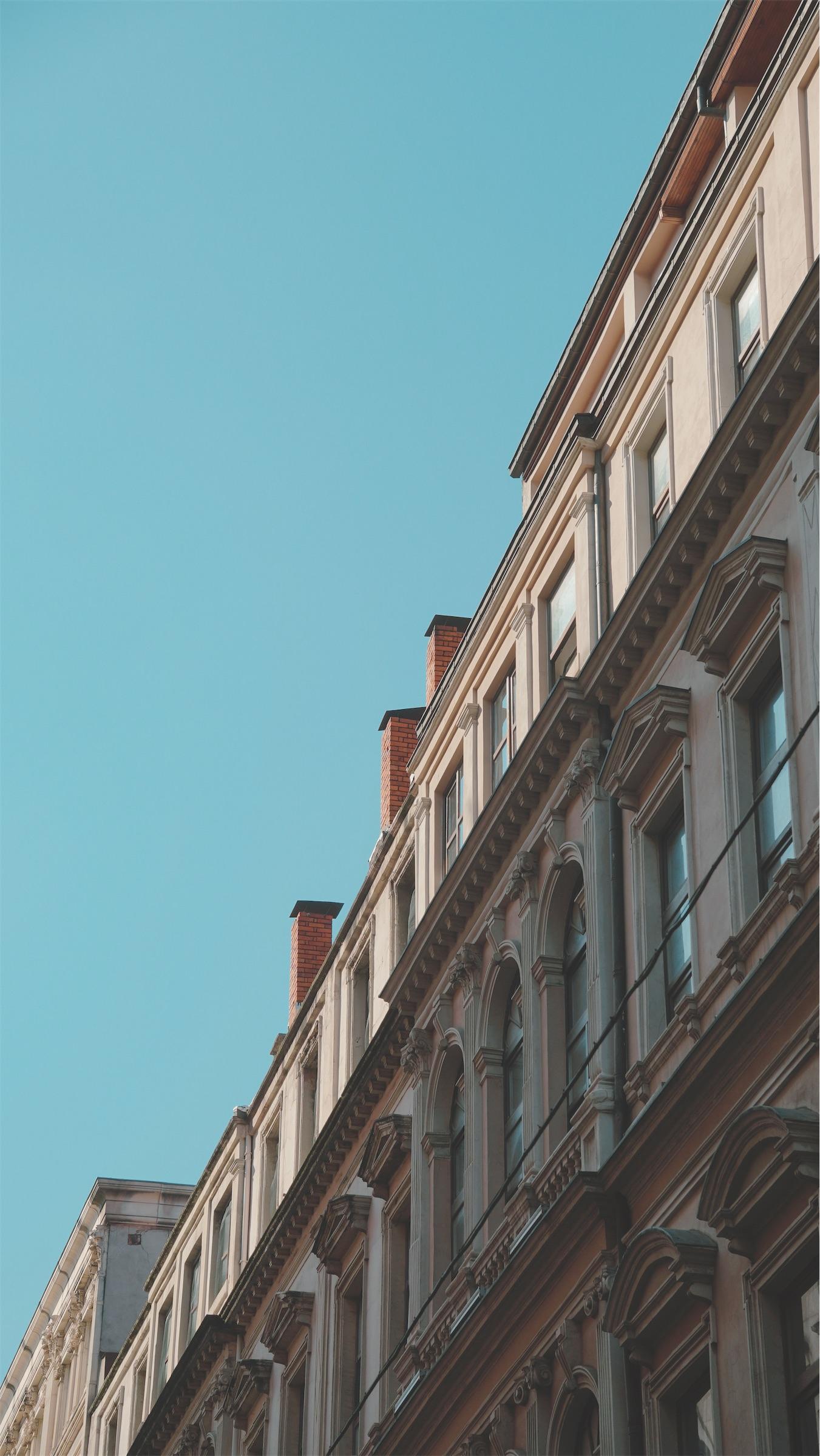
Swiss households hold a remarkable share of their wealth in their homes. That wealth is real, but it is also stuck. When an owner needs money from a property, whether for a child's flat, a business, retirement or a simple change of plans, they have usually had two options. Neither is very good.
The two usual answers
Sell the whole thing. It releases everything, and you lose everything. The house you chose, the view, the future rise in value: all of it goes to someone else, along with the costs and the upheaval of moving.
Borrow against it. You keep the house and take on debt. Interest has to be paid every month, the bank has its own view of what you can afford, and later in life that view gets stricter. Many owners who are rich on paper can't borrow at all.
The third answer
You can sell part of it.
Swiss law has always allowed one property to have several owners, each with a defined share. (We explain the rules in Co-ownership in Switzerland, explained.) An owner of a house worth CHF 2 million can sell 20% of it, receive the price of that share, and remain the owner of the other 80%. Nothing has been borrowed, so nothing has to be paid back. The new co-owner's share is entered in the land register in their name, next to yours.
It suits owners who:
- want cash for something specific without moving out,
- would rather not take on a mortgage, or can't,
- want to reduce how much of their wealth sits in one building,
- are planning an inheritance and want to do it in steps.
What changes when you sell a share
Selling a fraction makes your property a shared one, and it is worth going in with open eyes.
- Decisions. Under the Civil Code, larger decisions need the agreement of other co-owners. In a well-made co-ownership, the use and management rules are agreed before the sale and recorded, so nothing comes as a surprise.
- Costs and income. Charges and any rent are shared in proportion to the shares, unless agreed otherwise.
- Your own use. If you keep living in the property, how that works with the other co-owners has to be written down at the start.
- Getting out later. Co-owners can agree to exclude a forced sale of the whole for a fixed period, which protects everybody's plans.
- Tax. Selling a share of Swiss property can trigger cantonal taxes, including tax on the gain. How much depends on the canton and on how long you've owned it. Ask an adviser before you sign.
How Brickstate does it
Brickstate exists to make this third answer as ordinary as the other two. We check the property, the owner and the paperwork before anything is listed. The owner decides how much to sell, and keeps the rest. We find buyers who have been screened, coordinate the deal and the notary, and see the new ownership recorded in the land register.
We're starting in Lugano. If you own a property in Ticino and want to know what a share of it could be worth, join the founding list and we'll be in touch.
See what a share of your property could bring with our calculator.
This article is general information, not legal, tax or financial advice. Every property and every owner's situation is different.