Own a
piece of
Switzerland.
Buy a share of a real building, or sell part of yours.Registered in your name. Not a fund, not a token.

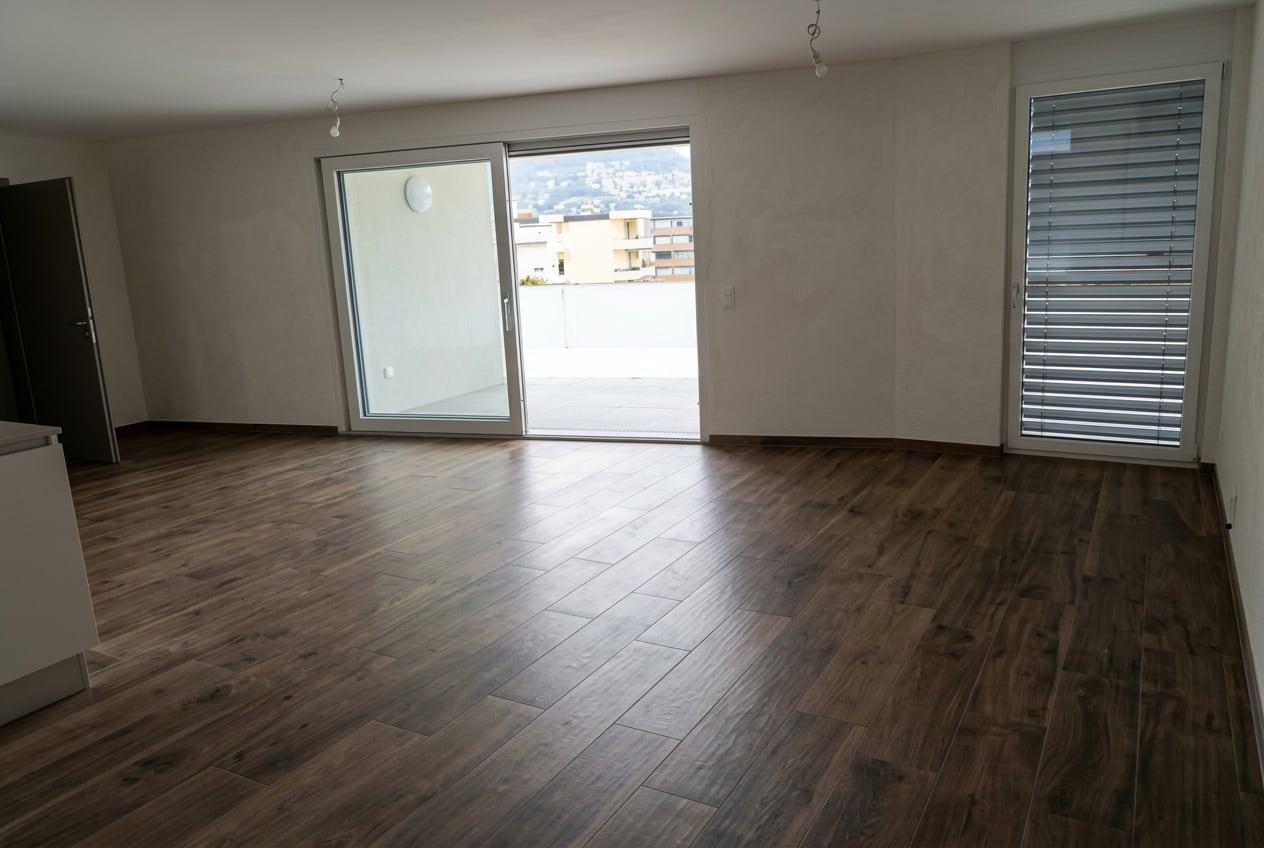

Swiss law has let a property have several owners for over a century. Brickstate makes it as simple as buying or selling anything else.
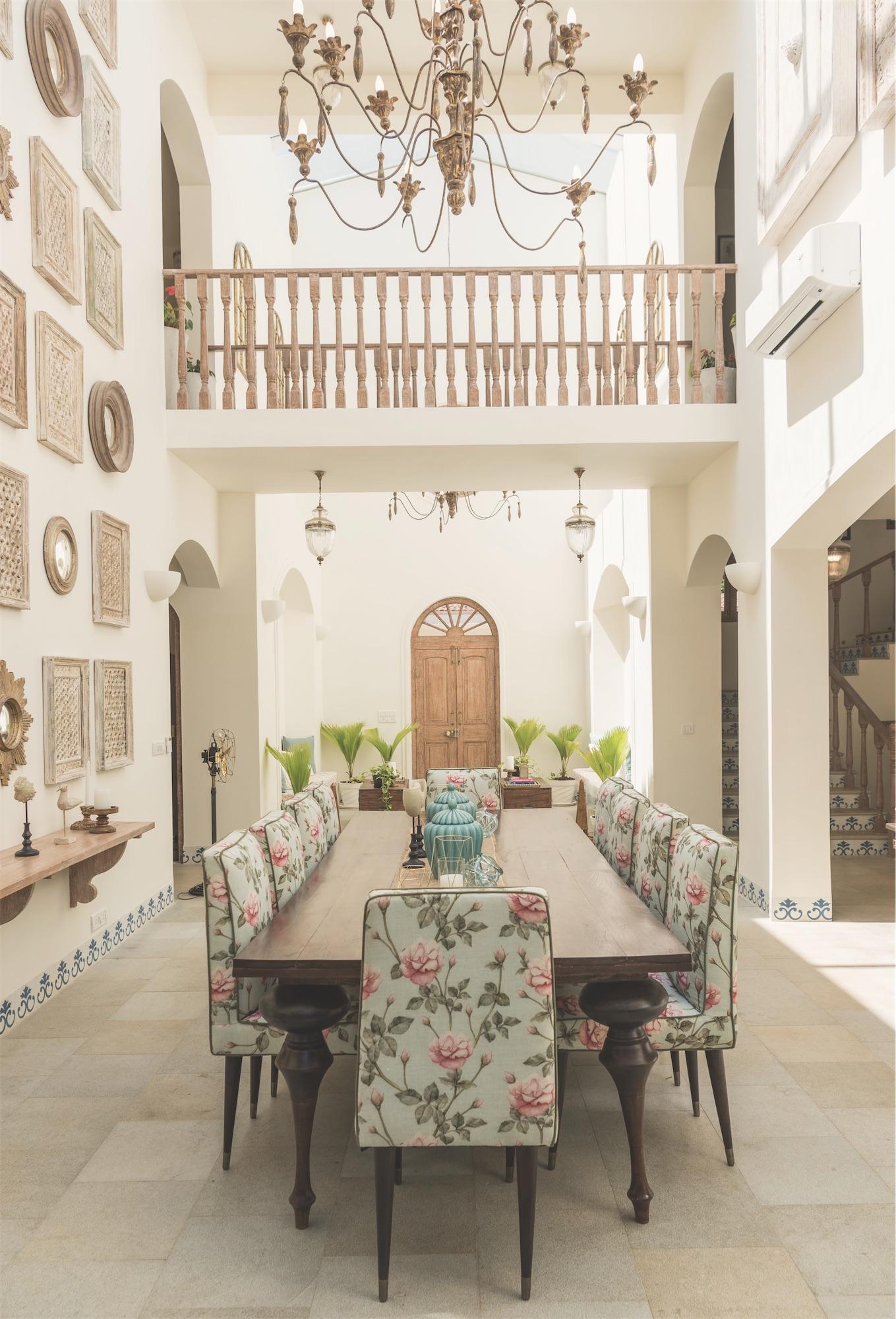
Three steps either way. We handle the checks, the notary and the register.
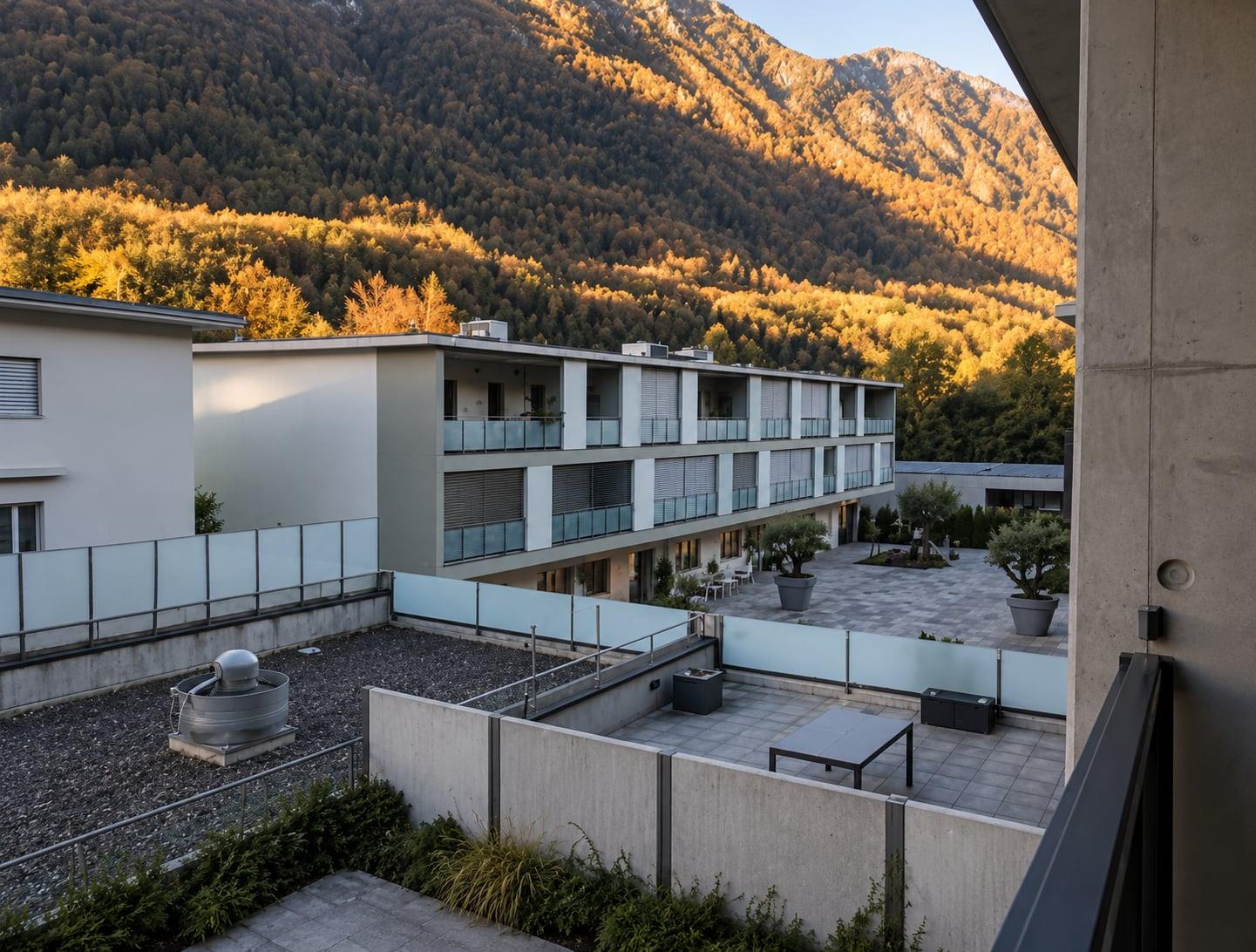
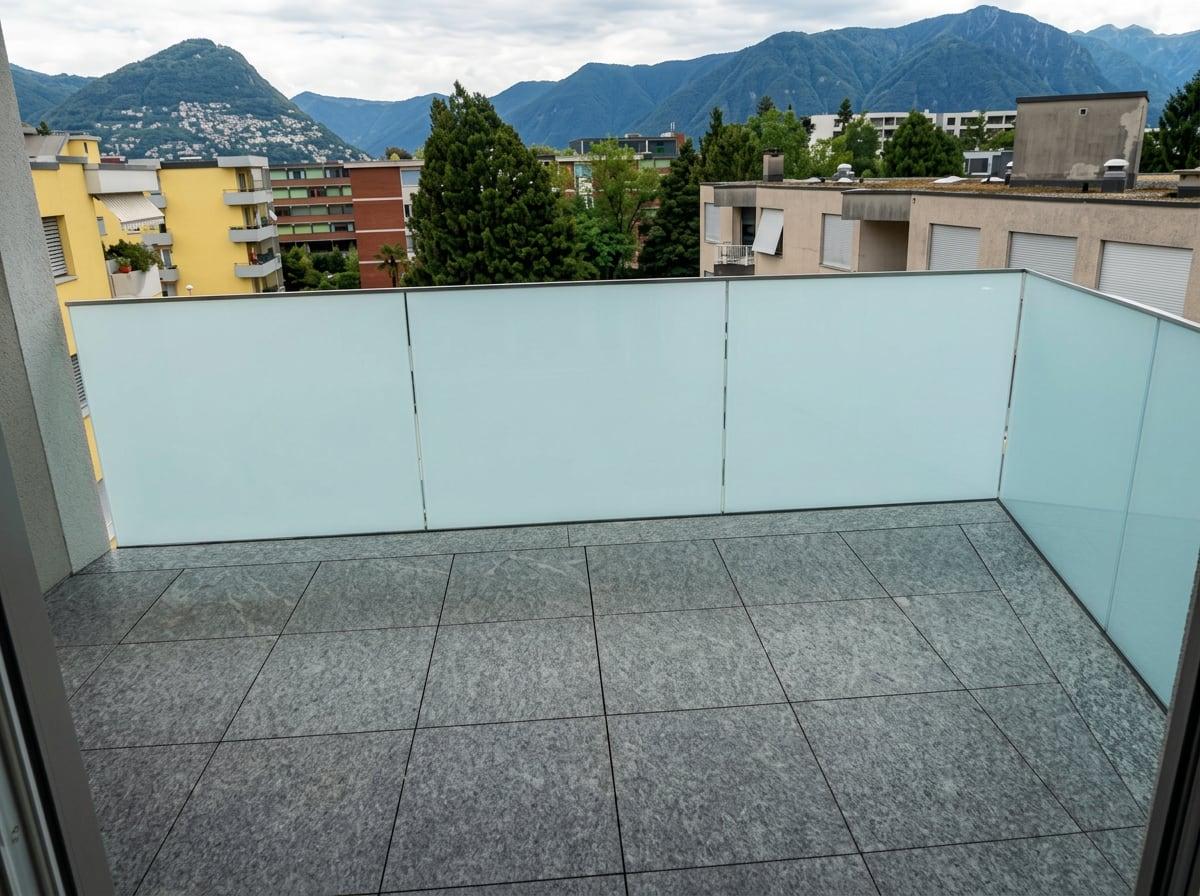
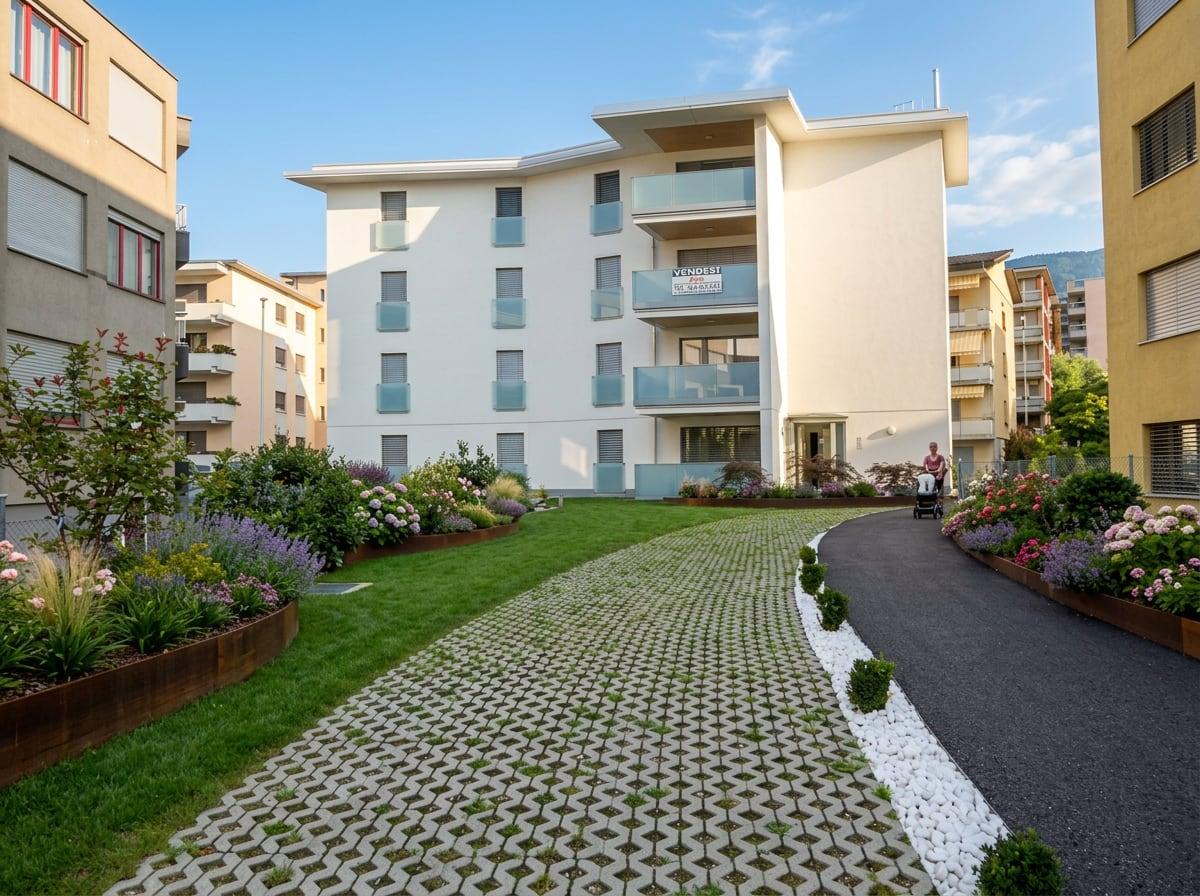
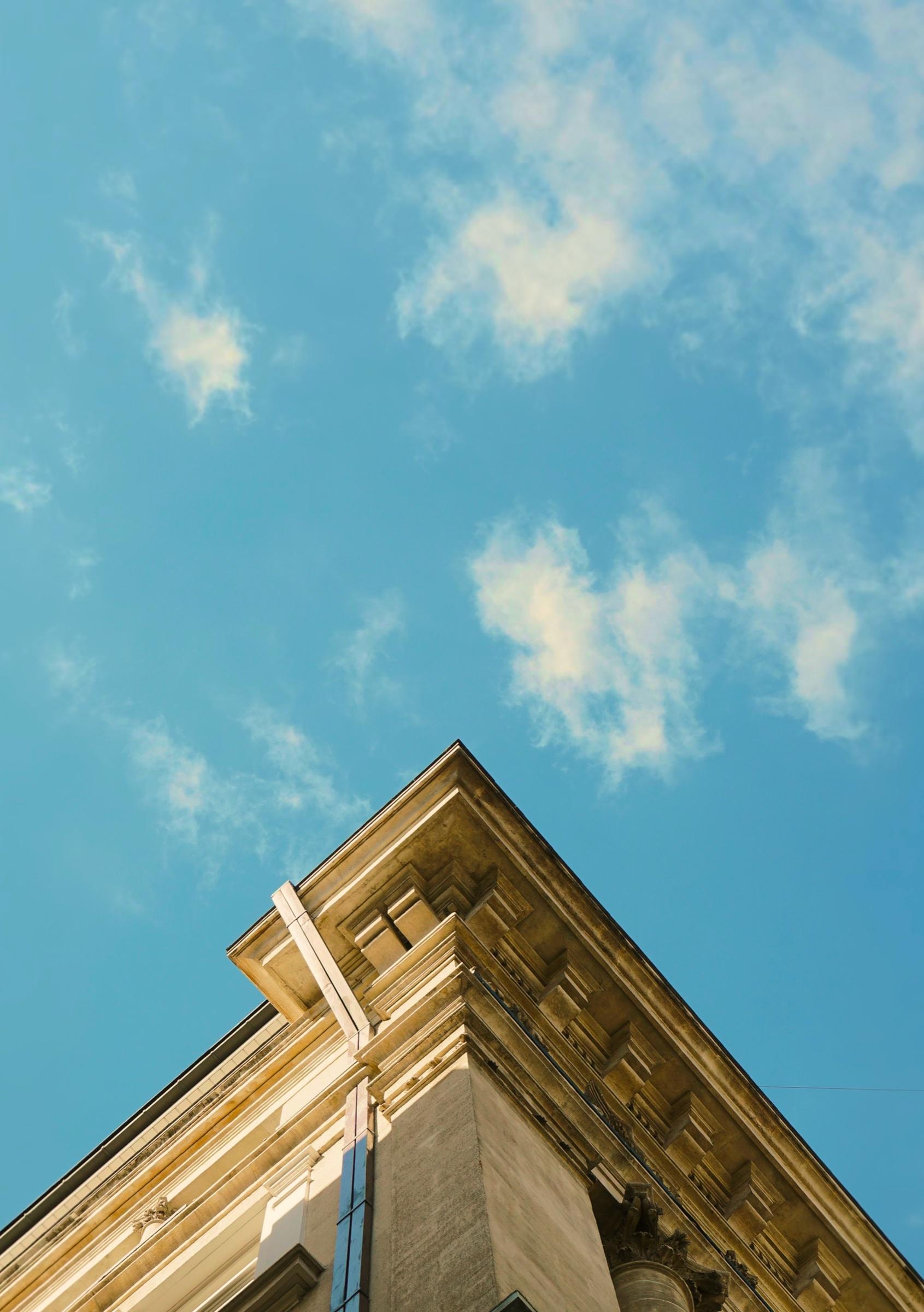
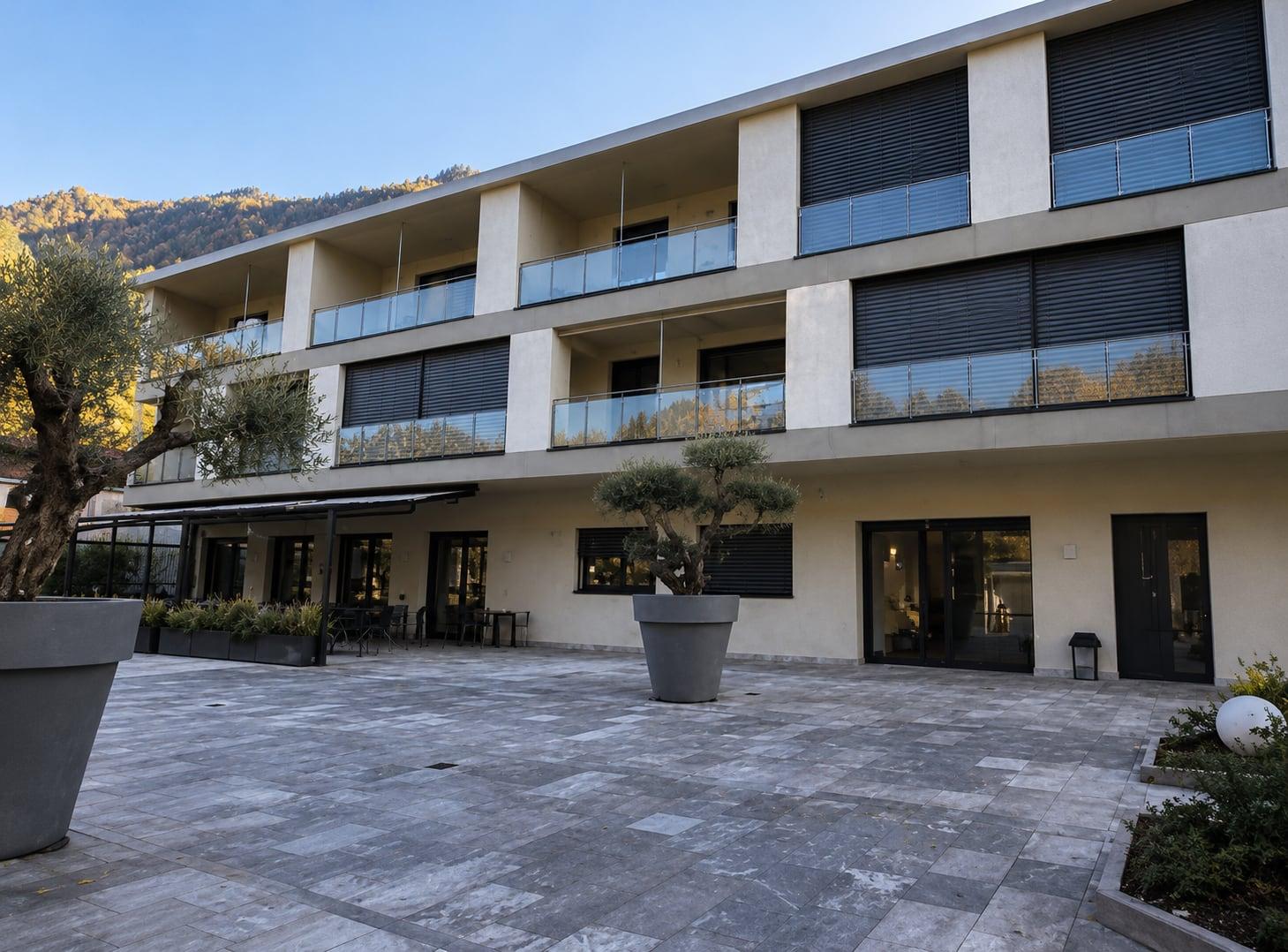
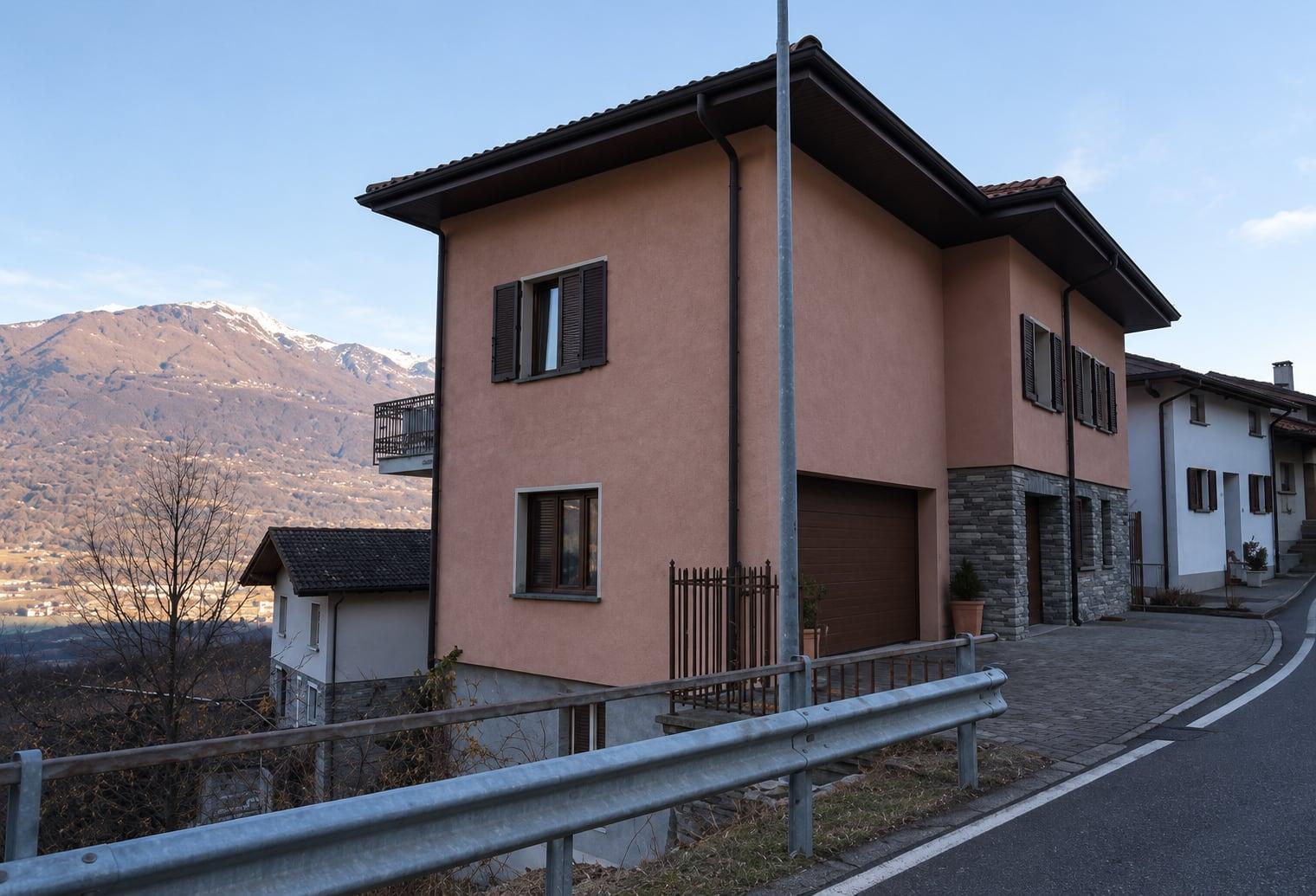
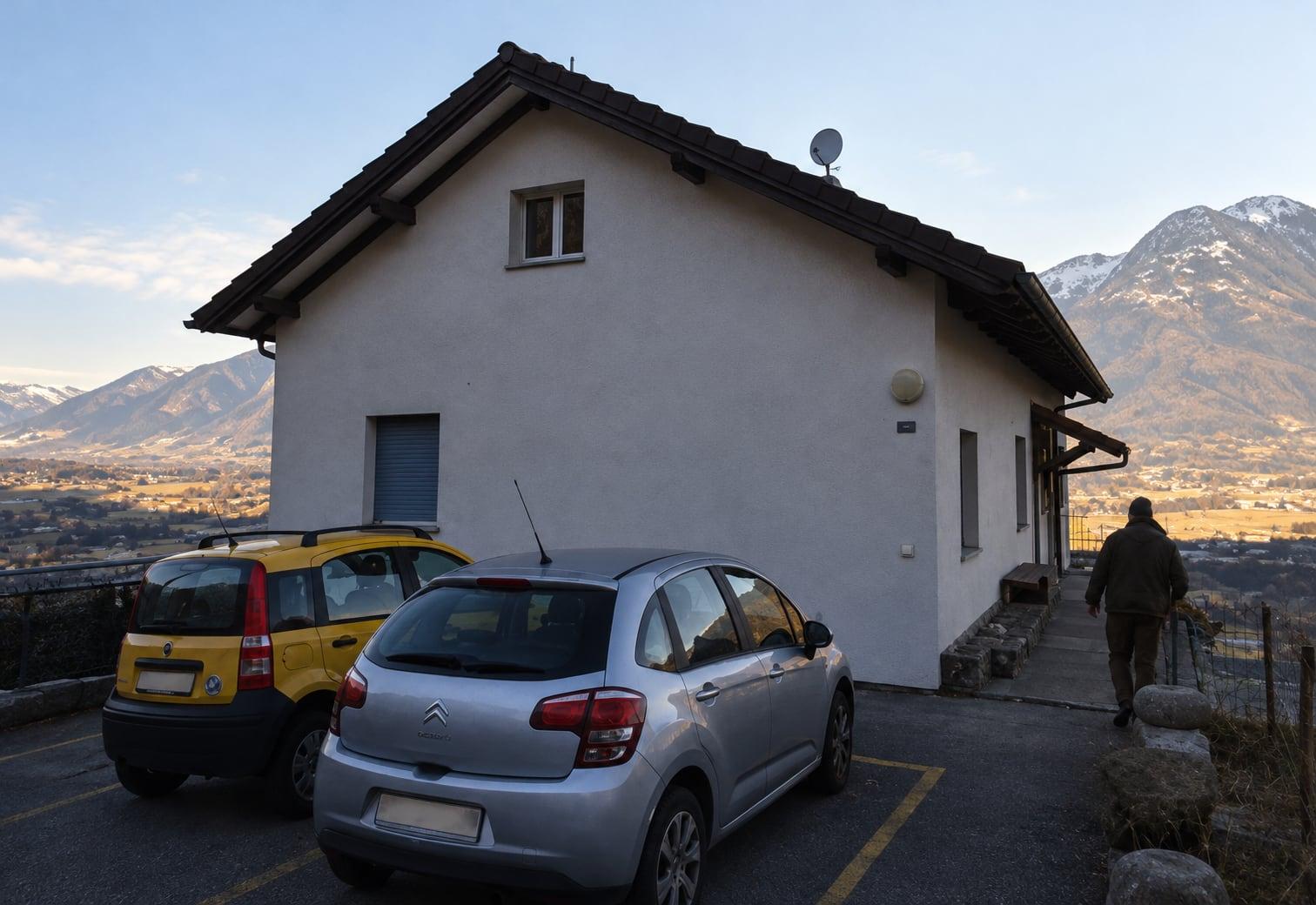
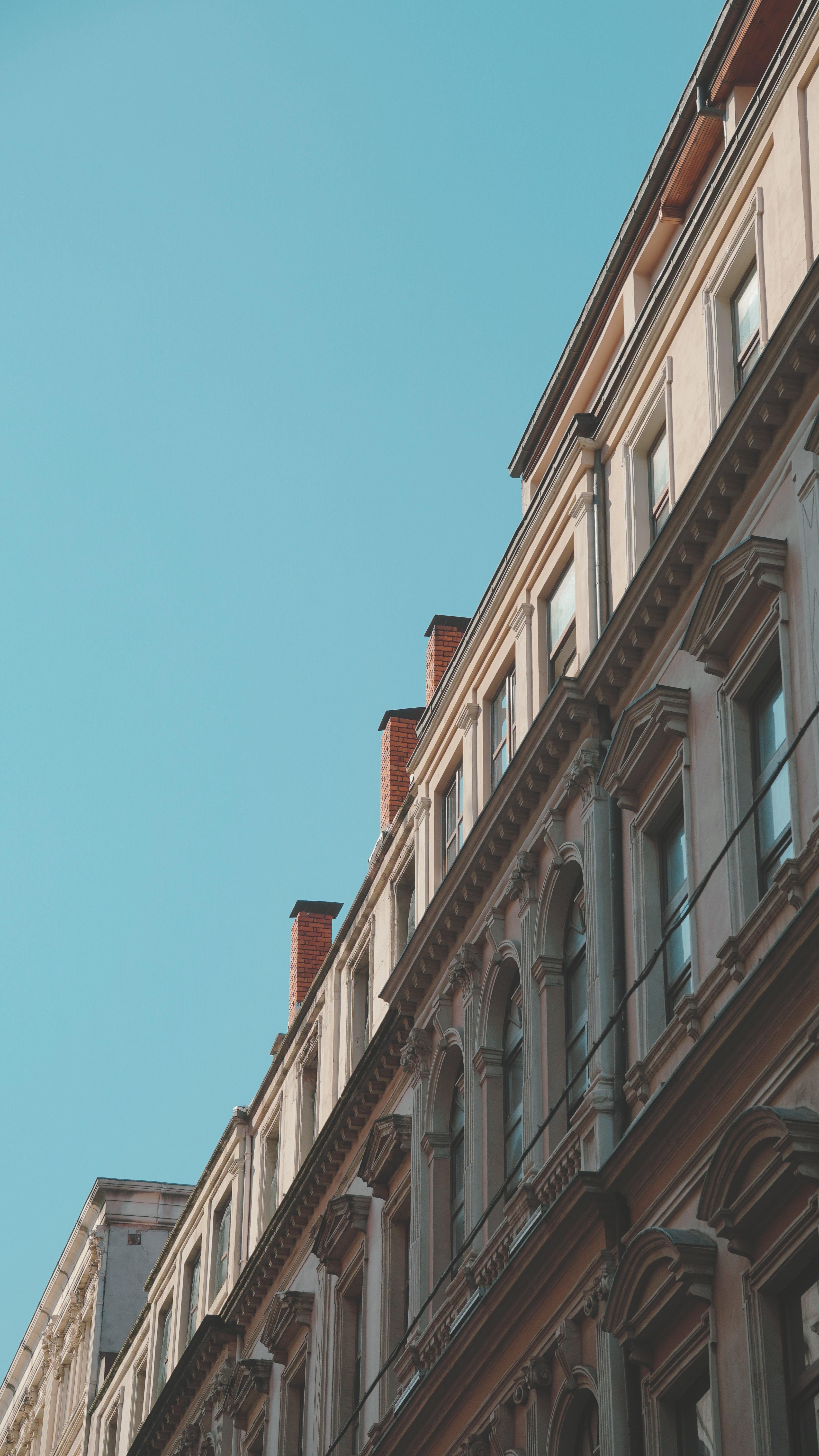
Four properties in Ticino, listed by their owner, Genfido SA.
A share on Brickstate is co-ownership under Article 646 of the Swiss Civil Code. It is entered in the land register in your name, the same register that records every property in Switzerland.
- Not a fund
- Not a token
- No company in between
- Yours to sell or pass on
What exactly do I own?
A defined share of one named building, as a co-owner under Article 646 of the Swiss Civil Code. The share is entered in the land register in your name, the same register that records the ownership of every property in Switzerland.
Is this a fund or a token?
No. There is no fund in between and nothing on a blockchain. You hold the property share directly, and the land register is the proof.
How much do I need to start?
From CHF 1’000. A share’s price is the building’s valuation, divided; on the buildings listed so far the smallest share is 0.1%, which on a building valued at CHF 1.1 million is CHF 1’100.
Can I buy if I live outside Switzerland?
Often, yes, but Swiss law (Lex Koller) limits what people abroad may buy, and it depends on the kind of building. Our journal explains the rules in plain words.
How does selling a share of my property work?
You decide how much to sell and keep the rest. We check the property and the paperwork, find screened buyers, coordinate the notary, and see the new ownership recorded in the land register. Nothing is borrowed, so nothing has to be paid back.
Who decides what happens to the building?
The co-owners, under rules agreed and recorded before the sale: who uses what, who pays what, how larger decisions are made. Charges and income are shared in proportion to the shares unless agreed otherwise.
Plain answers on owning Swiss property in parts.
Co-ownership in Switzerland, explained
What it means to own a share of a Swiss property under the Civil Code: what you can do with your share, who decides what, who pays, and how co-owners leave.
, 7 min read
Selling part of your home, and keeping the rest
An owner who needs money from a property has usually had two choices: sell all of it, or borrow against it. There is a third, and Swiss law has allowed it for over a century.
, 6 min read
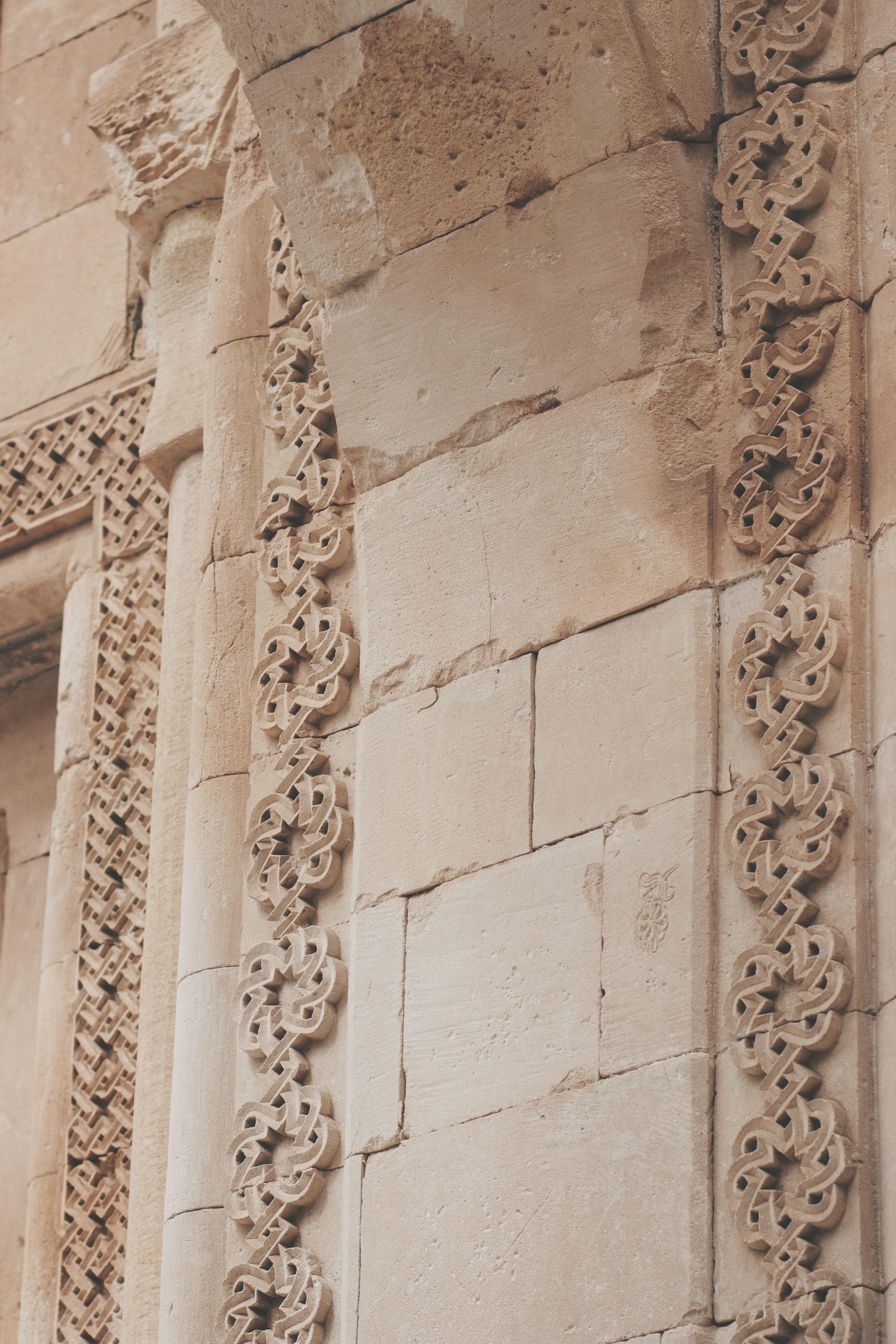
The Swiss land register, and why it matters to a buyer
In Switzerland you don't own land because a contract says so. You own it because the land register says so. What the register is, what it records and what anyone can look up.
, 6 min read
We’re opening the first buildings in Ticino. Join the waitlist and we’ll write when shares open.